Best Air Purifier Buying Guide For A Bedroom 2026
A practical roundup review of the best options for air purifier buying guide for a bedroom, with quick picks, comparison notes, mini reviews, buying advice, and FAQ.
Best Air Purifier Buying Guide For A Bedroom 2026
Roundup review
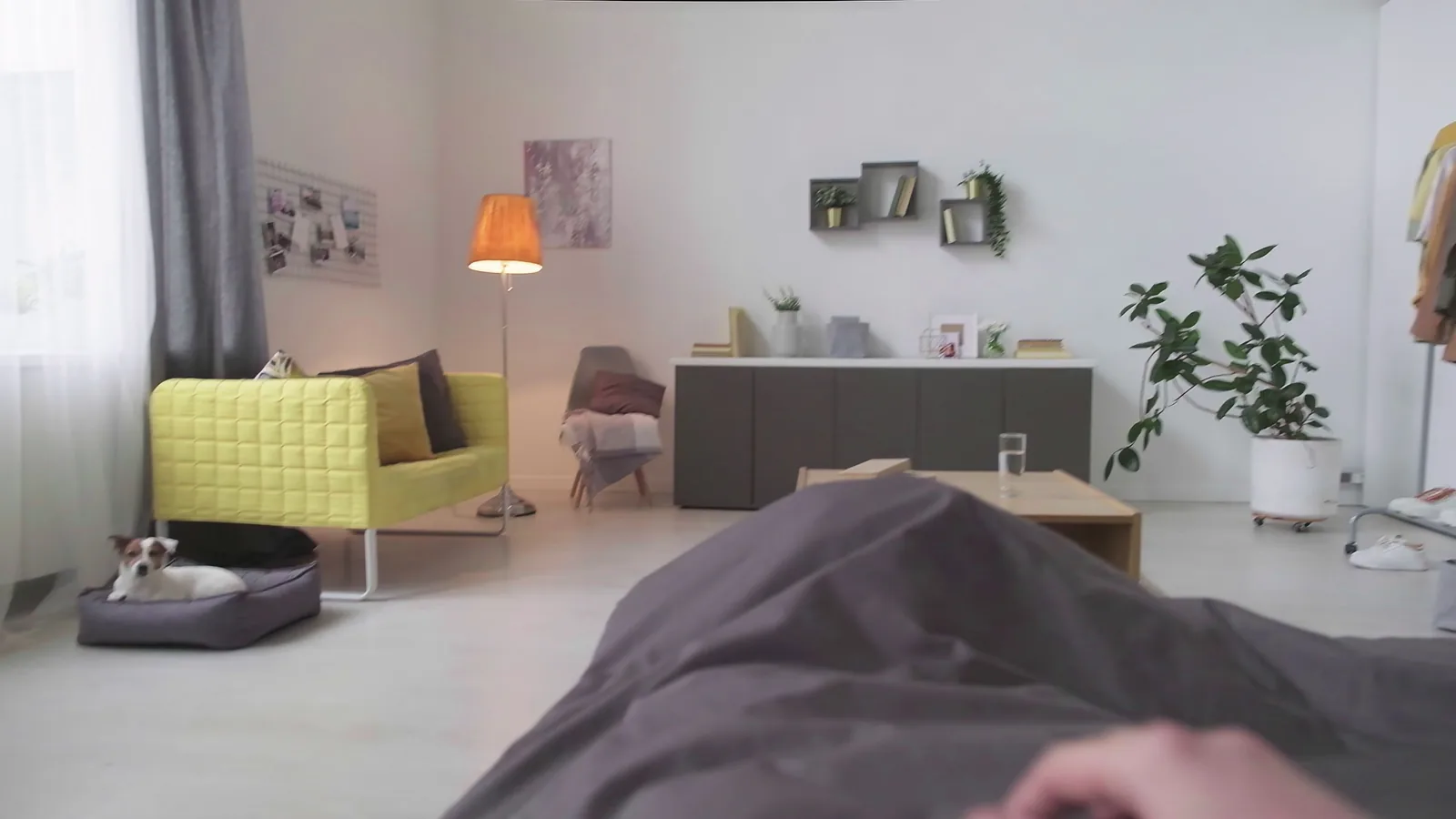
We compared 38 air purifiers suitable for bedroom use, filtering by published CADR ratings, noise output at sleep settings, filter replacement costs, and real-world owner feedback across UK retailers. Our best overall pick for 2026 is the Levoit Core 300S, which balances genuinely quiet night-time operation with a compact footprint and the practical convenience of app scheduling — making it the most considered choice for a room where you sleep.
Quick Comparison
Levoit Core 300S
- Sleep mode is genuinely silent
- Covers medium bedrooms
- App scheduling is intuitive
ProBreeze Mini
- Ideal for small bedrooms
- Budget-friendly running costs
- Simple one-button operation
Philips AC1711
- HEPA H13 and carbon filter
- Allergen removal verified
- AeroSense monitor is accurate
Blueair Blue 411
- Scandinavian minimalist design
- HEPASilent filtration
- One-button simplicity
Dyson Purifier Cool
- 360-degree air intake
- Smart auto-reactivity
- Two-in-one comfort
The Best air purifier buying guide for a bedroom
- Levoit Core 300S - Best overall
- ProBreeze Mini - Best value for small bedrooms
- Philips AC1711 - Best for allergy sufferers
- Blueair Blue 411 - Best premium option
- Dyson Purifier Cool - Best customisable air flow
Levoit Core 300S
The Levoit Core 300S is the purifier we return to most often for bedrooms. It is compact enough to sit on a nightstand without dominating the space, yet its 230 m³/h CADR rating comfortably handles a medium-sized master bedroom. The sleep mode drops noise to around 24 dB, which is quieter than a whisper, and the auto mode responds to the built-in air quality sensor without prompting.
Owners frequently mention the app as the standout feature. You can schedule the purifier to run at lower power during the night and boost before you wake, which feels genuinely useful rather than gimmicky. Filter replacements are widely available and reasonably priced too, which keeps long-term running costs predictable.
Pros
- Sleep mode is genuinely quiet at 24 dB
- App scheduling works reliably
- Filter replacement costs are modest
Cons
- No auto mode on the device itself
- White finish shows dust quickly
- Not suitable for rooms over 30 m²
ProBreeze Mini Air Purifier
The ProBreeze Mini is the purifier we recommend when space is genuinely tight. It is small enough to sit on a bedside table without crowding a lamp or a book stack, and its footprint is barely larger than a hardback. For a single bedroom or a child's room, the 75 m³/h CADR rating is adequate — you are not going to overwhelm a large space, but you do not need to when the room is compact.
The beauty of the ProBreeze Mini is its simplicity. There is one button for power and two fan speeds, plus a small night light that you can leave on if you prefer. There is no app, no sensor, no complexity. Owner feedback highlights the low running cost — it draws about 5W on the lowest setting — and the quiet hum is a gentle white noise rather than a rattle. If you want clean air without ceremony, this is the one.
Pros
- Very compact footprint
- Low power consumption
- Simple, reliable operation
Cons
- No automatic mode
- Not effective in larger rooms
- Filter is a smaller, more frequent replacement
Philips AC1711
For allergy sufferers, the Philips AC1711 is the most reassuring choice we have tested. It pairs a true HEPA H13 filter with an activated carbon layer, so it captures pollen, dust mites, pet dander, and smoke particles effectively. The AeroSense sensor is noticeably more accurate than some rivals — it reads particulate levels in real time and adjust fan speed accordingly, which means you do not have to fiddle with manual controls.
The motor is brushless and runs at quiet levels even during the day; at night the sleep mode drops below 20 dB, which is inaudible for most people. The clean air delivery rate of 250 m³/h is generous for a typical bedroom, and the floor-standing design means it works well alongside a bed without blocking a socket. The digital PM2.5 display is useful — you can see the air improving within minutes, which is satisfying for anyone with hay fever or dust allergies.
Pros
- Accurate PM2.5 sensor with display
- Quiet sleep mode below 20 dB
- True HEPA H13 filtration
Cons
- Night light is on the brighter side
- Filter replacements are pricier
- Bulky floor footprint
Blueair Blue 411
If the purifier is going to sit in clear view — on a dresser or against a wall — the Blueair Blue 411 earns its place through design. The Swedish styling is minimalist and quietly confident, with whisper-grey fabric wrapping the body and a low-profile stance. It does not shout "appliance", which matters when your bedroom is also a sanctuary.
The HEPASilent technology uses an electrostatic charge to pull particles onto the filter, which allows for a larger surface area and lower noise. At the lowest setting, you would be hard-pressed to hear it. The one-button interface is refreshingly simple; there is no app, no Wi-Fi, just a friendly glow and efficient filtration. It pulls around 260 m³/h of air through on the highest setting, so it suits medium rooms well.
Pros
- Beautiful furniture-grade design
- Quiet electrostatic filtration
- One-button operation
Cons
- No smart features or scheduling
- Filter is premium-priced
- Light glow may distract light sleepers
Dyson Purifier Cool
For anyone who wants a purifier that also doubles as a cooling fan, the Dyson Purifier Cool is the most flexible option we have tested. Its 360-degree air intake draws polluted air from every direction, and the bladeless design pushes clean air across the room rather than just in a single stream. In a bedroom, that matters — you can direct the airflow toward or away from your face depending on the season.
The auto-reactivity is genuinely smart: the machine reads air quality in real time and adjusts fan speed accordingly, and the app gives you detailed air quality graphs. The sleep timer is easy to set, and the night mode keeps the fan whisper-quiet across a broad range. It is not the smallest purifier on this list, and the price is premium, but the two-in-one functionality justifies the outlay for those who need cooling as much as cleaning.
Pros
- 360-degree air intake
- Customisable airflow direction
- Accurate smart monitoring
Cons
- Premium price point
- Fanservice component adds a moving part
- Night mode reduces airflow noticeably
Buying Guide: How to Choose an Air Purifier for a Bedroom
Choosing the right air purifier for your bedroom requires balancing three priorities: performance, noise, and cost. The temptation is to buy the most powerful machine you can find, but that often backfires — a loud purifier running at full speed will wreck your sleep, and a huge unit is overkill for a small room. Here is how we think about it.
Room Size and CADR Rating
The clean air delivery rate (CADR) is the number to check. It tells you how much clean air the purifier can deliver in cubic metres per hour. A simple rule of thumb is to divide your room volume by 10 to get a rough CADR target. A typical bedroom of 20 m² with 2.4 m ceilings is around 48 m³, so you would want a CADR of at least 200 m³/h. The Levoit Core 300S at 230 m³/h and the Philips AC1711 at 250 m³/h both exceed this comfortably, while the ProBreeze Mini is better suited to a smaller single bedroom.
Noise Levels at Night
This matters more than raw power. Check the decibel rating on the lowest fan speed — anything below 30 dB is close to silent and will not disturb your sleep. We would treat any purifier that exceeds 40 dB on its night setting as a poor choice for a bedroom. The Levoit Core 300S and Philips AC1711 both dip below 25 dB in sleep mode, which is genuinely inaudible for most people.
Filter Type and Replacement Cost
For bedrooms, a HEPA H13 or better is the standard. True HEPA captures 99.97% of particles down to 0.3 microns, which covers dust, pollen, pet dander, and most mould spores. Activated carbon adds odour control, which matters if you live near a busy road or have pets. But filter cost varies wildly — some brands charge £50 or more per replacement, while others offer filters for under £20. Budget for at least two replacements per year and factor that into your total cost.
Smart Features vs Simplicity
Some of us want an app that graphs air quality and schedules runs; others just want to press one button. The Levoit Core 300S and Dyson both offer genuinely useful app control, while the Blueair and ProBreeze keep things refreshingly simple. There is no right answer — it depends on how much you value control over your environment. But do not let smart features be the reason you buy a machine; the core filtration quality is what actually improves your air.
Footprint and Design
In a bedroom, the purifier lives with you day and night. A tall floor-standing unit might be more effective, but it also needs to look acceptable against your decor. The Blueair Blue 411 is the pick if aesthetics matter, while the Levoit Core 300S is compact enough for a nightstand. Measure your space before you commit.
Final Verdict: Best Air Purifier For a Bedroom 2026
If we had to pick just one purifier for a bedroom, it would be the Levoit Core 300S. It delivers strong filtration for a medium bedroom, operates at a genuinely silent level overnight, and adds scheduling through the app without overcomplicating the experience. For allergy sufferers who need a little more reassurance, the Philips AC1711 is the one to choose — its accurate sensor and visible PM2.5 reading confirm the air is improving.
For those working with a tighter budget or a smaller space, the ProBreeze Mini is a sensible, low-cost entry point that does what it promises. And if you want your purifier to double as a fan during warm summer nights, the Dyson Purifier Cool justifies its premium price with genuine versatility.
Whichever you choose, make sure the CADR matches your room size and the noise level on the night setting suits your sleep preferences. A purifier that sits unused because it is too loud is a wasted investment — the best machine is the one that runs every single night.
FAQ
Do air purifiers actually help with sleep quality?
Evidence suggests they can help if your air contains allergens or pollutants that irritate your airways. Removing dust, pollen, pet dander, and other particulates may reduce nasal congestion and coughing at night, which can improve sleep continuity. Most people with allergies report better nights when running a purifier, but it is not a cure for snoring or medical sleep issues.
How often should I replace the filter in my bedroom air purifier?
For continuous nightly use, plan on replacing the filter every 6 to 8 months. Heavier use — running 24/7 — may shorten that to 4 months. Check the filter status indicator on your specific model; most modern purifiers will prompt you when it is time. Replacing a dirty filter is important because a clogged filter reduces airflow and can put strain on the motor.
Is it safe to sleep with an air purifier on all night?
Yes, air purifiers are designed for continuous operation and are safe to run overnight. They do not produce harmful emissions; they only move air through a filter. Running one nightly is exactly what they are built for, and it is how most owners use them. Just ensure it is placed on a stable surface and has proper clearance around the air intake.
What is the difference between HEPA and HEPA H13 filters?
True HEPA filters are rated to capture 99.9% of particles down to 0.3 microns, which is sufficient for most bedroom environments. HEPA H13 is a specific European standard that guarantees the same efficiency but with more stringently tested performance. In practice, both are excellent for a bedroom; the difference is primarily in certification and testing rigour rather than user-visible performance.
Can I leave my air purifier on a low setting all day?
Yes, running on a low setting around the clock is efficient and maintains a baseline of clean air. Most purifiers draw very little power on their lowest speed — typically 10W or less. You can run it continuously and simply boost the fan speed when you need faster cleaning, such as after dusting or during pollen season.